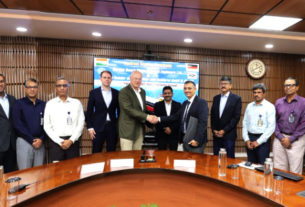
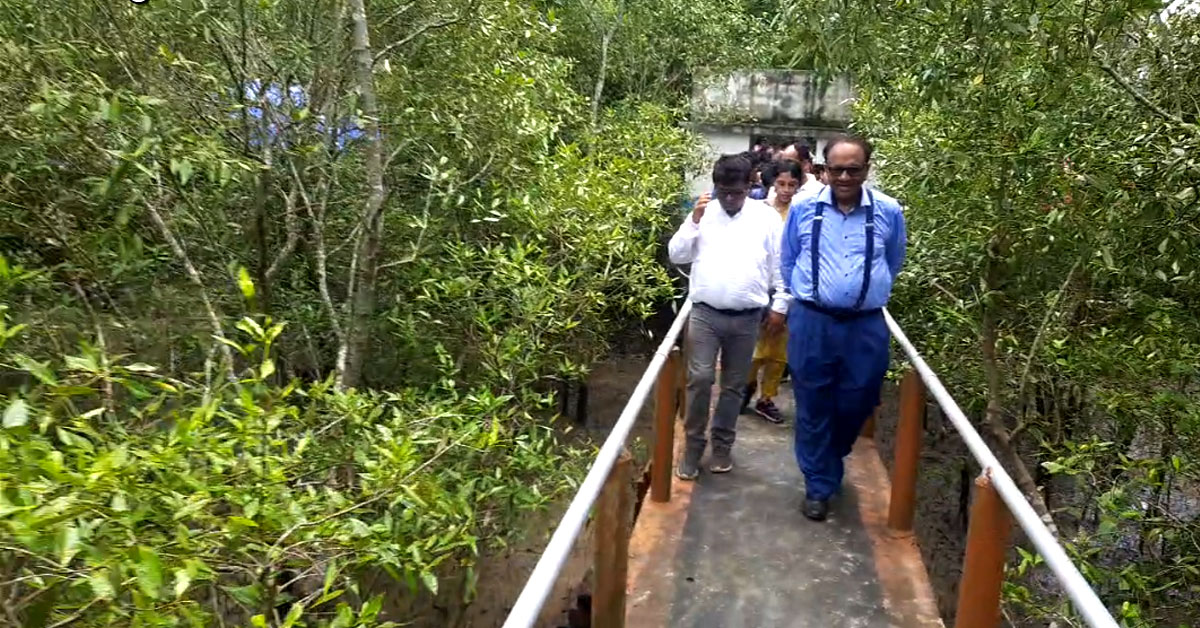
Kolkata: In a milestone initiative for environmental resilience and rural empowerment, iLEAD (Institute of Leadership, Entrepreneurship and Development) has formally partnered with the Tagore Society for Rural Development (TSRD) to fortify and expand the efforts of their Mangrove Research Centre in the ecologically critical Sundarbans. This strategic alliance marks a decisive step toward preserving the world’s largest mangrove ecosystem, which shields millions from the growing threats of climate change.
A Critical Ecosystem Under Siege
The Sundarbans serve as a vital natural buffer against cyclones, storm surges, soil erosion, and rising sea levels. The mangrove forests here are not merely trees—they are the frontline defense for millions living in vulnerable coastal areas. However, unchecked deforestation, rising salinity, and erratic weather patterns have placed immense stress on this delicate ecosystem.
Why Mangroves Matter
- Flood and Storm Protection: Mangroves reduce storm surge intensity, minimizing flood damage to nearby villages.
- Soil Stabilization: Their root systems prevent erosion and preserve the integrity of the coastline.
- Carbon Sinks: Mangroves sequester vast amounts of CO₂, playing a key role in climate mitigation.
- Biodiversity Hotspot: Home to countless flora and fauna, from tigers to migratory birds, mangroves uphold ecological balance.
The iLEAD–Tagore Society Collaboration
This collaboration is focused on research, conservation, and grassroots empowerment. The goals include:
- Enhanced Research Capacity: Strengthening the infrastructure and operations of the Tagore Society’s Mangrove Research Centre in Gosaba Island.
- Community Engagement: Educating and involving locals in sustainable practices and conservation.
- Policy Advocacy: Promoting environmentally responsible development through policy outreach.
- Resource Mobilization: Attracting funding, volunteers, and scientific expertise to accelerate impact.
The Heart of the Movement: Tagore Society’s Mangrove Research Centre
Located in Gosaba, the Mangrove Research Centre stands as a beacon of environmental stewardship. With decades of experience, the centre focuses on:
- Mangrove Restoration: Replanting and protecting critical forest areas.
- Eco-Friendly Livelihoods: Promoting eco-tourism, sustainable fisheries, and agriculture.
- Ecological Research: Studying biodiversity, climate impacts, and developing practical, local solutions.
About the Tagore Society for Rural Development (TSRD)
Founded in 1969 by visionary leaders Jayprakash Narayan and Pannalal Dasgupta, TSRD draws inspiration from Rabindranath Tagore’s ideals of integrated rural development. Active in over 1,503 villages across West Bengal and Jharkhand, TSRD operates projects focused on:
- Women’s Empowerment: 42,532 women’s self-help groups with nearly 6 lakh members
- Economic Upliftment: Agriculture, microfinance, and rural entrepreneurship
- Healthcare Access: Rural clinics, health camps, and awareness programs
- Education: Digital literacy, school enrolment, and informal education
- Environmental Conservation: Over 3,212 hectares of forests regenerated
Key Projects
- Rangabelia Project: Sustainable agriculture and eco-preservation in Sundarbans (benefiting 3.88 lakh people)
- Sagar Island Project: Environmental restoration and healthcare for 52,500 residents
- Hingalgunj Project: Post-cyclone rehabilitation and infrastructure development (serving 1.6 lakh people)
- Patamda Project (Jharkhand): Empowering women through micro-irrigation and horticulture (reaching 85,000 people)
A Call to Action
The Sunderbans are at a tipping point. This partnership is not just about science—it’s about survival. The path forward demands multi-stakeholder engagement: from local youth to national policymakers. As climate events grow more frequent and severe, this initiative by iLEAD and TSRD offers hope—and a plan.
Together, we can protect the green shield of the Sundarbans and build a sustainable future for the generations that follow.