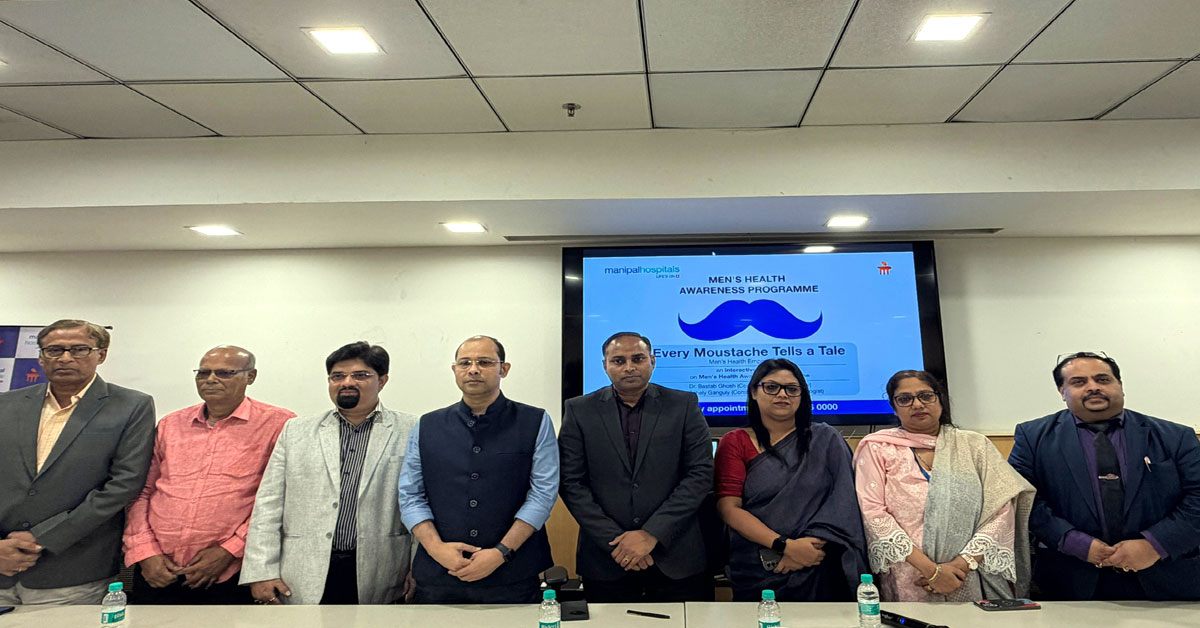
Kolkata: Manipal Hospital Dhakuria, a unit of one of India’s largest healthcare networks – the Manipal Hospital Group – organised a special Men’s Health Awareness Session today to highlight pressing health concerns among men, with particular focus on prostate-related conditions and mental well-being. The programme sought to break the silence that often surrounds men’s health issues, encouraging early diagnosis, emotional openness, and informed decision-making for both patients and their families.
The session was conducted by Dr. Bastab Ghosh, Senior Consultant – Urology and Uro-Oncology, and Sahely Ganguly, Consultant – Clinical Psychologist, in the presence of Dilip Kumar Roy, Hospital Director, Manipal Hospital Dhakuria.
In India, men’s health continues to be an overlooked subject despite increasing evidence of disease burden. Research indicates that nearly 60% of Indian men delay seeking medical care, often due to stigma, lack of awareness, or prioritising family responsibilities. National health statistics suggest that one in six men above 50 is affected by prostate disorders, many of which are diagnosed only at advanced stages. Similarly, emotional distress among men often goes unreported — with surveys revealing that over 40% of men hesitate to discuss mental health challenges. This reluctance leads to delayed treatment, complications, and increased caregiver strain.
The Men’s Health Awareness Programme aimed to address these gaps by promoting timely screening, open communication, and psychological well-being.
Opening the session, Dilip Kumar Roy emphasised the urgent need for preventive healthcare. He said,
“Men often place family responsibilities above their own health, overlooking symptoms until they escalate into serious complications. At Manipal Hospital Dhakuria, we believe in driving conversations that strengthen community well-being. While men ensure the welfare of their families, they seldom prioritise their own physical and emotional needs. This session is a meaningful step towards encouraging them to take charge of their health and recognise the importance of early care.”
During his address, Dr. Bastab Ghosh highlighted the silent progression of prostate disorders. He noted,
“Prostate-related conditions often remain undetected because they progress quietly, and many men assume early symptoms are simply age-related. As age increases, so does the risk, making regular screening after 50 crucial. Prostate cancer in the Indian subcontinent tends to be more aggressive than in Western countries, reinforcing the importance of early detection. Many patients consult us only when the condition has significantly advanced. Awareness programmes like this are vital, as they help men understand that seeking timely help is not a weakness but a responsibility they owe to themselves and their families.”
The session featured heartfelt testimonies from Pranab Sarkar, Bidyut Roy and Rajesh Bhattacharya, all of whom underwent prostate surgery under Dr. Ghosh’s care. They shared personal accounts of their journey — from first symptoms to recovery — highlighting how timely intervention and compassionate guidance restored their health and confidence. Their stories underscored the impact of early screening and specialist-led treatment.
A dedicated patient-to-patient interaction segment further strengthened the discussion, with participants sharing experiences related to symptom identification, seeking medical help, family involvement, emotional stress, and post-treatment transformation. This open dialogue fostered peer support, reassurance, and shared learning, helping attendees understand that they are not alone in their journeys.
Addressing the psychological aspects, Sahely Ganguly stated,
“Men’s mental health is a growing silent crisis. Societal expectations often demand that men remain strong and self-reliant, leading many to hide emotional struggles or avoid seeking help. We need male-friendly, stigma-free approaches that normalise emotional expression and provide gender-responsive care. After prostatectomy, psychotherapy plays a key role in reframing intimacy, reducing performance pressure, and strengthening communication within couples — shifting the focus from ‘I must perform’ to ‘we must connect’.”
The programme concluded with an interactive Q&A session where senior citizens raised questions regarding screening frequency, lifestyle adjustments post-treatment, emotional counselling, long-term effects, and family support. Experts addressed each concern with clarity and assurance, emphasising that timely consultations, transparency, and open communication can significantly enhance both physical recovery and emotional resilience.