
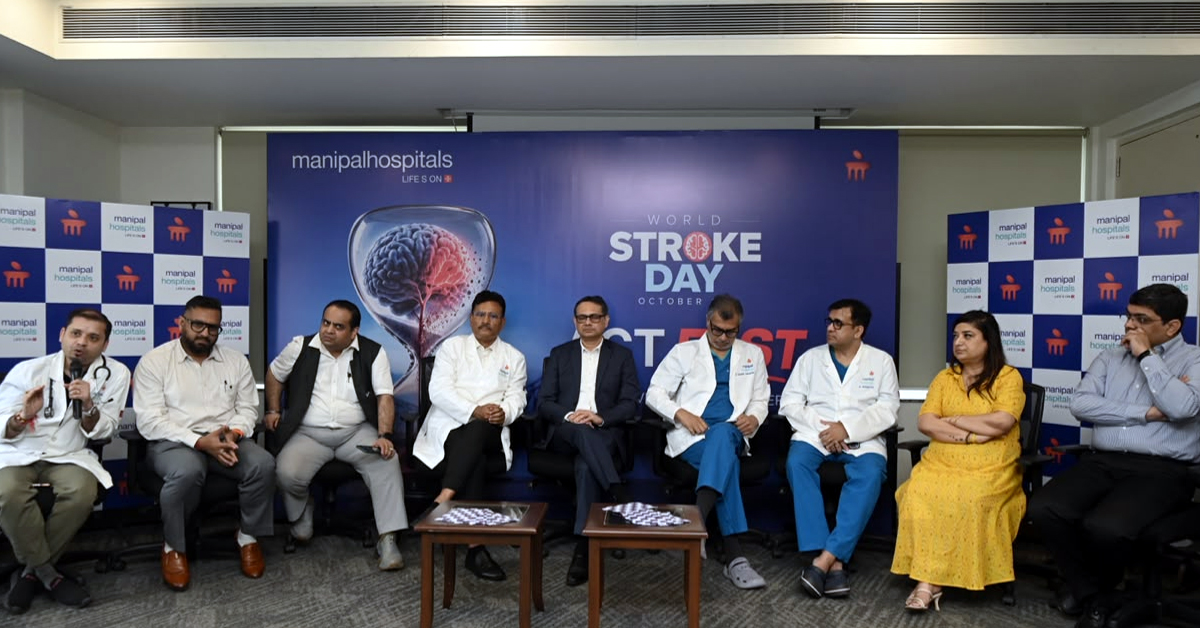
Kolkata: Sudden facial drooping, weakness in an arm, blurred vision or difficulty speaking could be warning signs of a stroke — and waiting for the symptoms to disappear may prove dangerous. On World Stroke Day, neurologists at Manipal Hospitals EM Bypass and Mukundapur urged people to recognise these symptoms early and seek emergency medical attention without delay.
During a stroke awareness programme organised by the two hospital units in Kolkata, doctors highlighted the importance of the ‘BE FAST’ approach, which helps people identify possible stroke symptoms and understand when immediate medical intervention is necessary.
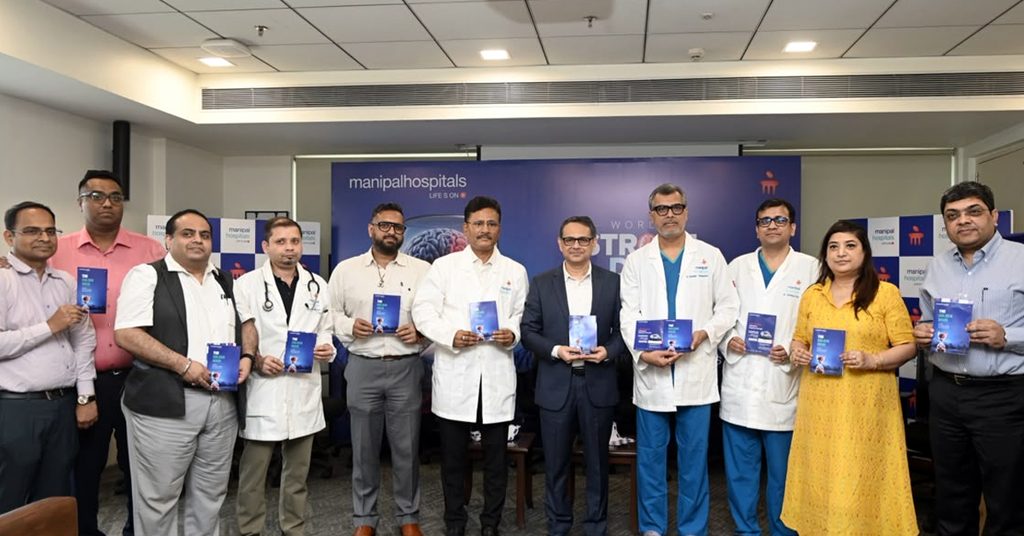
The programme brought together specialists from neurology, neurointervention and neuroradiology to discuss stroke warning signs, risk factors, prevention and the importance of timely treatment.
‘BE FAST’: Recognising the Warning Signs
Doctors explained that BE FAST stands for Balance, Eyes, Face, Arms, Speech and Time. The approach encourages people to look for sudden loss of balance or difficulty walking, unexpected vision problems, facial drooping, weakness or numbness in an arm, and slurred speech or difficulty understanding others.
The final letter, ‘T’, is a reminder not to waste time when these symptoms appear. Even one warning sign can indicate a possible stroke and requires urgent medical assessment. Noting the time when symptoms first began can also help doctors determine the appropriate treatment.
A stroke occurs when blood flow to part of the brain is interrupted or a blood vessel ruptures, potentially causing brain damage, disability or death. Medical specialists stressed that it must be treated as an emergency rather than a condition that can be monitored at home.
Temporary Relief Does Not Mean the Danger Is Over
Another key concern discussed during the programme was Transient Ischaemic Attack (TIA), often described as a warning stroke. It can cause symptoms similar to those of a stroke, including sudden weakness, speech difficulties and visual disturbances, but the symptoms may disappear after a short period.
Doctors cautioned that such improvement should not be mistaken for complete recovery. A TIA requires urgent medical evaluation because it can signal an increased risk of a subsequent stroke, particularly in the hours and days following the episode.
People experiencing stroke-like symptoms should therefore seek emergency medical care even if the symptoms subside before they reach a hospital.
Stroke Can Affect Younger People Too
Dr. Jayanta Roy, Director and Head of Neurology at Manipal Hospitals Mukundapur, said that recognising symptoms quickly is essential because delays can lead to further brain damage and affect recovery.
“Stroke is a medical emergency in which every minute matters,” he said, explaining that symptoms can develop suddenly during everyday activities. A sudden change in vision, difficulty maintaining balance or weakness on one side of the body may be among the first indications.
Dr. Amlan Mandal, Senior Consultant in Neurology at Manipal Hospitals Mukundapur, highlighted the misconception that stroke primarily affects older people. Younger individuals can also experience a stroke, and symptoms may be overlooked if they are assumed to be temporary or unrelated to a serious medical condition.
He stressed the importance of understanding warning signs at every age, maintaining healthy habits, undergoing regular health assessments and consulting a medical professional when concerning symptoms appear.
Managing Risk Factors Through Preventive Care
The specialists also highlighted the importance of controlling conditions and lifestyle factors associated with stroke. High blood pressure, diabetes and elevated cholesterol require regular monitoring and appropriate treatment. Smoking, physical inactivity, obesity and sleep apnoea can also contribute to stroke risk.
Dr. Sukalyan Purkayastha, Director and Senior Consultant in Neurointervention and Endovascular Surgery at Manipal Hospitals East Region, emphasised that timely diagnosis, medical care and sustained lifestyle changes can help manage many stroke risk factors.
Maintaining a healthy weight, eating a balanced diet rich in fruits and vegetables, exercising regularly, getting adequate sleep and following prescribed treatment were among the preventive measures discussed.
‘Time Is Brain’: Why Immediate Treatment Matters
Dr. Nirmalya Roy, Consultant in Neuroradiology at Manipal Hospitals EM Bypass, underlined the consequences of delaying treatment. The medical principle ‘time is brain’ reflects how quickly brain cells can be damaged when their blood supply is interrupted.
He cited an estimate that approximately 20 million brain cells may be lost every minute during a major ischaemic stroke, highlighting the importance of prompt diagnosis and treatment.
Dr. Roy also reiterated that symptoms resolving on their own do not eliminate the need for medical assessment, particularly when a TIA is suspected.
The World Stroke Day programme concluded with a focus on public awareness, preventive healthcare and the need to respond immediately to possible stroke symptoms. The central message from the specialists was clear: recognise the signs, act without delay and seek emergency medical care. Early recognition and timely treatment can make a crucial difference to a patient’s recovery and the risk of long-term disability.