
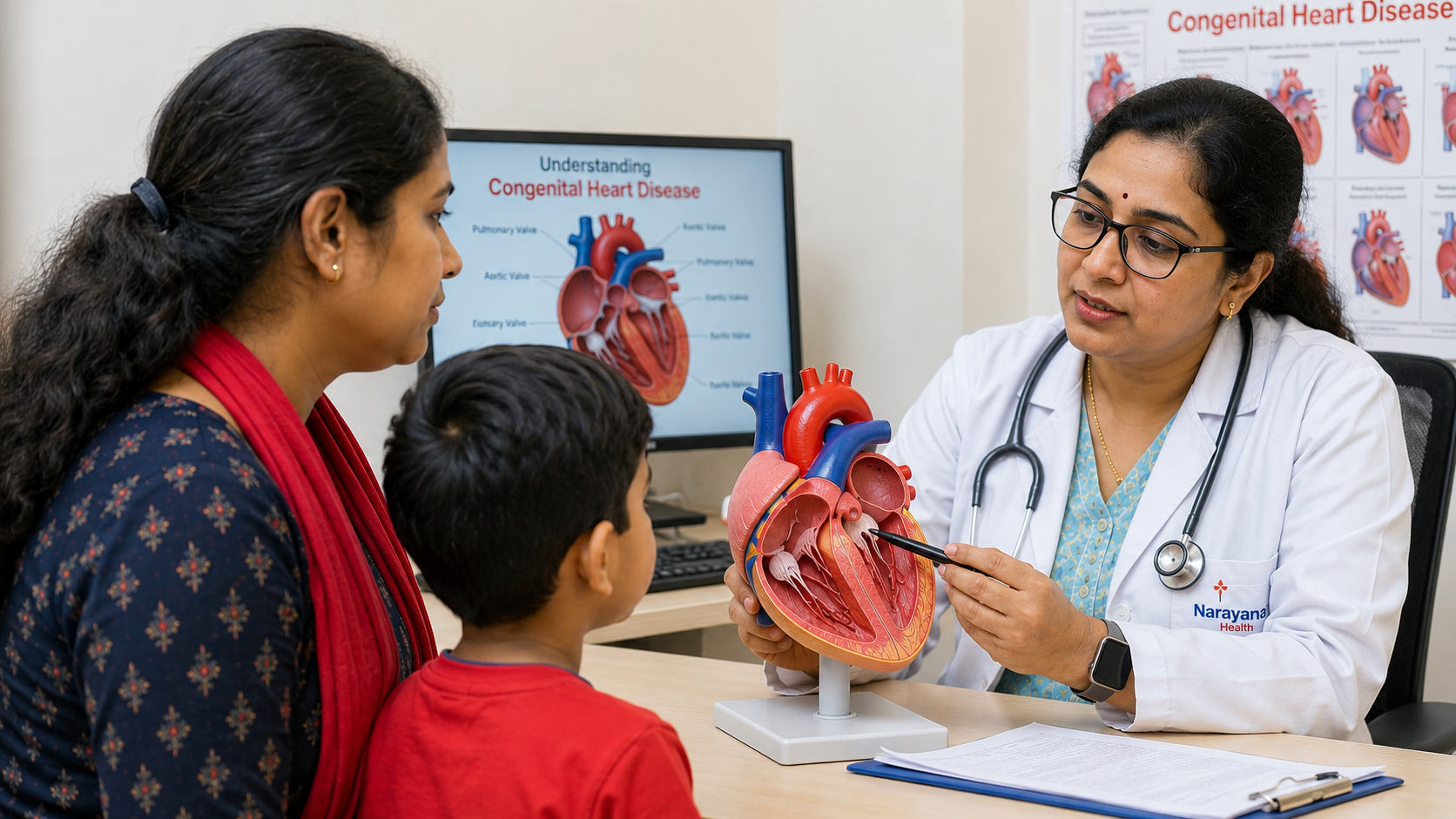
By Dr. Debashree Gangopadhyay, Consultant – Pediatric Cardiology, Narayana RN Tagore Hospital, Mukundapur
Kolkata : Congenital Heart Disease (CHD), the most common birth defect worldwide, continues to be a major cause of illness and mortality among children. Medical experts emphasize that early diagnosis and timely treatment can dramatically improve outcomes, allowing most affected children to lead healthy and productive lives.
According to Dr. Debashree Gangopadhyay, Consultant in Pediatric Cardiology at Narayana RN Tagore Hospital, Mukundapur, nearly one in every 100 newborns in India is born with a congenital heart defect. These conditions may include holes in the heart walls, abnormal heart valves, or improper connections between major blood vessels. Alarmingly, about one-fourth of these children require surgical intervention within their first year of life.
Despite the prevalence of the condition, awareness among families remains limited, often resulting in delayed diagnosis and treatment.
Understanding Congenital Heart Disease
Congenital Heart Disease refers to structural abnormalities of the heart that develop before birth due to improper formation of the fetal heart. These defects can disrupt normal blood flow, forcing the heart to work harder and reducing the amount of oxygen reaching the body’s tissues.
While some heart defects are mild and may resolve naturally over time, others can pose serious health risks if not treated promptly. Fortunately, significant advances in pediatric cardiology and cardiac surgery have transformed outcomes for children diagnosed with CHD.
“Today, with timely diagnosis and appropriate treatment, the majority of children born with congenital heart disease can survive into adulthood and enjoy a good quality of life,” says Dr. Gangopadhyay.
Recognising the Early Warning Signs
One of the biggest challenges in managing congenital heart disease is identifying symptoms early. The signs can vary depending on the type and severity of the defect.
In newborns and infants, warning signs may include:
- Bluish discoloration of the lips, tongue, or fingernails
- Rapid or laboured breathing
- Difficulty feeding
- Excessive sweating during feeding
- Poor weight gain or failure to thrive
Older children may experience:
- Unusual fatigue
- Breathlessness during physical activity
- Chest discomfort
- Reduced ability to participate in sports or play activities compared to their peers
Experts advise parents not to ignore these symptoms, as early medical evaluation can be lifesaving.
When Should Parents Seek Medical Attention?
Doctors recommend immediate consultation if a newborn experiences feeding difficulties, rapid breathing, bluish skin discoloration, or unusual lethargy.
Routine newborn screening, prenatal ultrasound examinations and regular pediatric health check-ups play a crucial role in detecting congenital heart defects, often before symptoms become apparent.
Early diagnosis enables doctors to plan appropriate treatment and prevent complications that may arise from delayed intervention.
Understanding the Risk Factors
Several factors may increase the likelihood of congenital heart disease in babies. These include:
- Family history of congenital heart defects
- Certain infections during pregnancy
- Uncontrolled maternal diabetes
- Exposure to tobacco, alcohol or harmful substances during pregnancy
- Chromosomal and genetic abnormalities
While not every case can be prevented, experts stress that maintaining a healthy pregnancy can significantly reduce risks.
Regular antenatal check-ups, proper management of chronic medical conditions, and avoiding tobacco and alcohol during pregnancy remain important preventive measures.
Treatment Advances Offer New Hope
The treatment of congenital heart disease depends on the nature and severity of the defect. Modern management options include medications, minimally invasive catheter-based procedures and advanced corrective heart surgeries.
Thanks to these medical advances, survival rates have improved dramatically over the past few decades.
According to specialists, more than 90 percent of children born with congenital heart disease today can survive into adulthood when they receive timely and appropriate care.
Awareness Can Save Young Lives
As healthcare professionals observe Child Awareness Week, experts are using the opportunity to highlight the importance of early detection and parental vigilance.
“Congenital heart disease is treatable in most cases when identified early. Awareness among parents, routine screening and timely medical intervention can make a life-changing difference for affected children,” Dr. Gangopadhyay emphasizes.
Doctors believe that greater public awareness can help families recognize warning signs sooner, seek medical attention without delay and ensure that children born with heart defects receive the healthiest possible start in life.
With advances in diagnosis, treatment and long-term care, the outlook for children with congenital heart disease has never been more encouraging. The key, experts say, lies in recognising the condition early and acting promptly.