
By Dr. Suman Mallik, Clinical Director & Senior Consultant – Radiation Oncology, Narayana Hospital, Howrah
Howrah : Smoking remains one of the leading causes of preventable diseases and deaths worldwide. It is strongly associated with cancers of the lungs, mouth, throat, voice box, oesophagus, bladder, pancreas and several other organs. While the dangers of smoking are widely known, what often receives less attention is the extraordinary ability of the human body to recover once a person quits.
According to Dr. Suman Mallik, Clinical Director and Senior Consultant in Radiation Oncology at Narayana Hospital, Howrah, the healing process begins almost immediately after the final cigarette. Regardless of age or smoking history, quitting tobacco can significantly improve health outcomes and reduce the risk of cancer and other serious illnesses.
The Body Begins Healing Within Minutes
Many smokers believe that the damage caused by tobacco is permanent. While some effects may be long-lasting, the body starts repairing itself much sooner than most people realize.
Within just 20 minutes of quitting smoking, heart rate and blood pressure begin moving toward healthier levels. Over the next 24 hours, carbon monoxide levels in the blood start dropping, allowing oxygen to circulate more efficiently throughout the body.
“The recovery process starts almost immediately,” says Dr. Mallik. “Once tobacco exposure stops, the body can focus on repairing damage rather than constantly defending itself against harmful chemicals.”
The lungs also begin clearing accumulated mucus and toxins. As a result, some individuals may experience increased coughing during the first few days after quitting. While this can be uncomfortable, it is often a positive sign that the respiratory system is beginning to clean itself.
The First Week: Noticeable Improvements
Around one week after quitting, many people begin noticing subtle but encouraging changes.
Food often tastes better and smells become stronger as damaged sensory receptors recover. Breathing may become slightly easier during daily activities such as climbing stairs or walking briskly.
Sleep quality can also improve. Nicotine is known to interfere with normal sleep patterns, and as the body adjusts to life without tobacco, many former smokers report feeling more rested and energetic.
Although cravings remain strong during this stage, experts note that they typically come in waves and usually pass within a few minutes.
One Month Later: More Energy, Better Circulation
By the end of the first month, the body’s recovery becomes even more noticeable.
Blood circulation improves, and lung function begins to recover. Physical activities that once felt exhausting may become easier and less demanding.
Smoking restricts blood flow to the skin, contributing to dullness and premature ageing. As circulation improves, many people notice healthier-looking skin, improved complexion and reduced signs of fatigue.
Former smokers also frequently report enhanced stamina and faster recovery after exercise, as oxygen delivery throughout the body becomes more efficient.
One Year Smoke-Free: A Major Health Milestone
The benefits continue to accumulate over time.
After one year without smoking, the risk of heart disease falls significantly compared with someone who continues smoking. Blood vessels continue to repair themselves, inflammation decreases and overall cardiovascular health improves.
The risk of stroke, chronic lung disease and several smoking-related cancers also continues to decline over the years.
Importantly, these benefits are not limited to younger people.
“Whether someone quits smoking at 30, 50 or even 70 years of age, the body still responds positively,” explains Dr. Mallik. “It is never too late to stop smoking and experience meaningful health improvements.”
Relapse Is Not the End of the Journey
One aspect of smoking cessation that often goes undiscussed is relapse.
Many smokers require multiple attempts before successfully quitting for good. A temporary return to smoking can leave individuals feeling discouraged or guilty, but medical experts stress that relapse does not erase the progress already made.
Every smoke-free day contributes to improved health, and every quit attempt provides valuable experience in overcoming nicotine dependence.
Healthcare professionals increasingly view smoking cessation as a journey rather than a single event. Setbacks can occur, but persistence remains the key to long-term success.
A Message of Hope
Perhaps the most encouraging fact about quitting smoking is the body’s remarkable resilience.
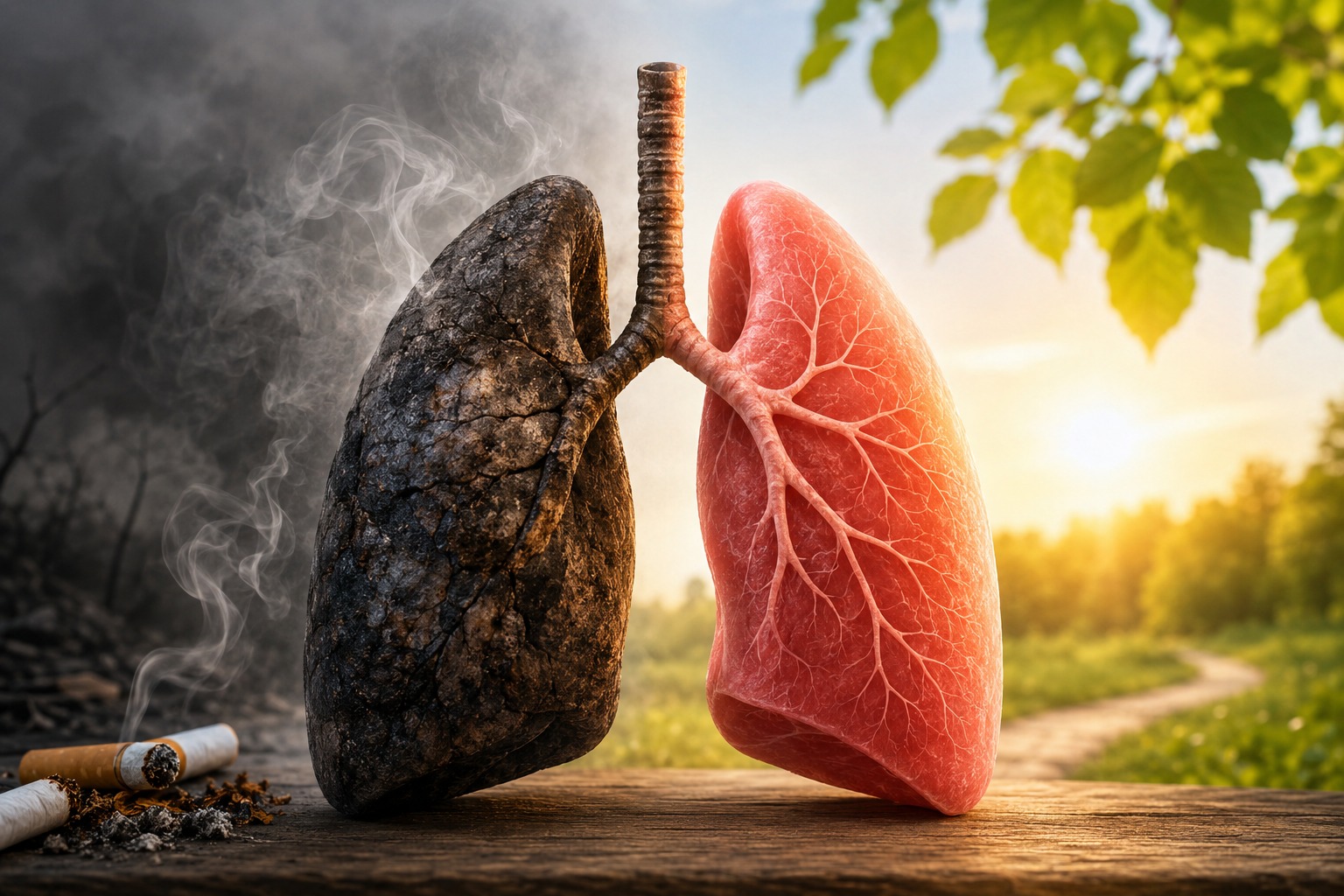
Lungs begin clearing themselves. Blood vessels recover. Oxygen levels improve. Energy gradually returns. While healing takes time, it begins far sooner than many smokers expect.
The benefits extend beyond reducing the risk of cancer and heart disease. Many former smokers find themselves feeling healthier, breathing easier and enjoying a better quality of life within weeks of quitting.
As public health experts continue to advocate tobacco-free living, the message remains clear: quitting smoking is one of the most powerful investments a person can make in their future health.
The journey may not always be easy, but the body’s ability to recover offers hope—and every smoke-free day is a step toward a healthier life.