By Dr. Tamal Priya Barman, Consultant – Adult Cardiologist, Narayana Hospital Howrah
Rising Blood Pressure Cases Among Young Urban Professionals
A concerning trend is increasingly visible in urban healthcare settings across India — more individuals in their 30s and 40s are being diagnosed with high blood pressure, often without any significant prior medical history. Many of these patients are working professionals leading seemingly active lives. However, beneath the surface lies a growing health concern driven by chronic work stress, long commuting hours, irregular lifestyles, and inadequate recovery time.
Doctors are observing that modern urban living itself is becoming a major contributor to hypertension and long-term cardiovascular disease.
How Chronic Stress Affects the Heart
Stress is no longer just a psychological concern. Continuous work pressure keeps the body in a prolonged “fight or flight” state, releasing hormones such as cortisol and adrenaline. While these hormones are useful during short-term emergencies, their constant presence can significantly affect cardiovascular health.
Over time, chronic stress may lead to:
Persistently elevated blood pressure
Increased heart rate
Tightening of blood vessels
Greater strain on the heart
This ongoing physiological stress increases the risk of heart disease, stroke, and other cardiovascular complications.
Long Commutes Add to the Burden
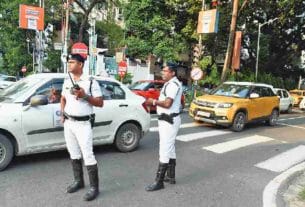
One major but often overlooked contributor is the daily commute. Spending hours in traffic, especially in crowded urban environments, exposes people to:
Mental fatigue
Noise pollution
Air pollution
Sleep disruption
Reduced personal and exercise time
The stress associated with commuting gradually contributes to irritability, exhaustion, and sustained elevation in blood pressure levels.
Sedentary Work Culture and Lifestyle Risks
Modern professional life often revolves around prolonged sitting, continuous screen exposure, skipped meals, and minimal physical activity. Desk-bound routines reduce opportunities for cardiovascular exercise and healthy movement.
Over time, this sedentary lifestyle contributes to:
Weight gain
Poor metabolic health
Increased cholesterol levels
Elevated blood pressure
Combined with stress, these habits create a dangerous environment for long-term heart health.
Poor Sleep Is Worsening the Problem
Irregular work schedules and late-night screen exposure are significantly affecting sleep quality among urban professionals. Sleep deprivation prevents the body from naturally regulating blood pressure and recovering from daily stress.
Insufficient sleep is increasingly being linked to:
Persistent hypertension
Reduced concentration
Fatigue
Increased cardiovascular risk
Unhealthy Coping Habits Are Common
Many individuals unknowingly worsen the problem through unhealthy coping mechanisms. Excessive caffeine consumption, smoking, processed foods, and frequent takeaway meals are becoming common responses to stress and lack of time.
High-salt diets and poor eating habits further contribute to uncontrolled blood pressure and cardiovascular strain.
Why Hypertension Often Goes Undetected
High blood pressure is widely known as a “silent condition” because symptoms are often absent in the early stages. Mild headaches, tiredness, irritability, or poor concentration are frequently dismissed as normal consequences of work pressure.
As a result, many individuals remain undiagnosed until complications such as heart disease, stroke, or kidney issues emerge.
Small Lifestyle Changes Can Have Big Benefits
Health experts emphasise that even small, consistent lifestyle improvements can significantly reduce blood pressure and cardiovascular risk.
Helpful interventions include:
Taking short movement breaks during work hours
Engaging in regular physical activity
Following a balanced, low-salt diet
Maintaining proper sleep schedules
Practising stress-management techniques such as meditation or breathing exercises
Even modest adjustments in daily routine can help lower physiological stress.
Importance of Regular Blood Pressure Monitoring
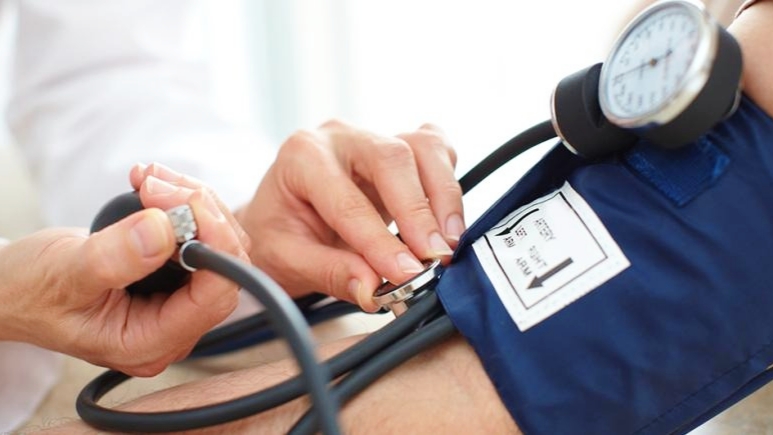
Routine blood pressure monitoring is essential, especially for individuals with demanding work schedules and high-stress lifestyles. Early detection allows timely treatment and prevents severe complications.
Home blood pressure monitoring can also help track patterns and improve long-term management.
When Medical Attention Is Necessary
Persistent high blood pressure readings, chest discomfort, breathlessness, dizziness, or stress-related symptoms should not be ignored. Seeking timely medical consultation can help prevent serious cardiovascular complications.
Treatment may include:
Lifestyle modification
Stress-management guidance
Medication when necessary
Regular cardiovascular evaluation
Prioritising Health in Urban India
The combination of work stress, long commutes, sedentary routines, and poor sleep is becoming a defining reality of urban life in India. However, the long-term health consequences are often underestimated.
Recognising the connection between lifestyle stress and hypertension is the first step toward prevention. Experts stress that maintaining health must become as important as professional success to ensure sustainable well-being and reduce the growing burden of cardiovascular disease in urban India.